Have you ever wondered how herbicides work to kill plants? Herbicides are chemicals used to control or eliminate unwanted plants, also known as weeds. They are commonly used in agriculture, landscaping, and gardening to improve crop yield and maintain the appearance of lawns and gardens. However, the use of herbicides can have unintended consequences on the environment, including harm to pollinators and other wildlife.
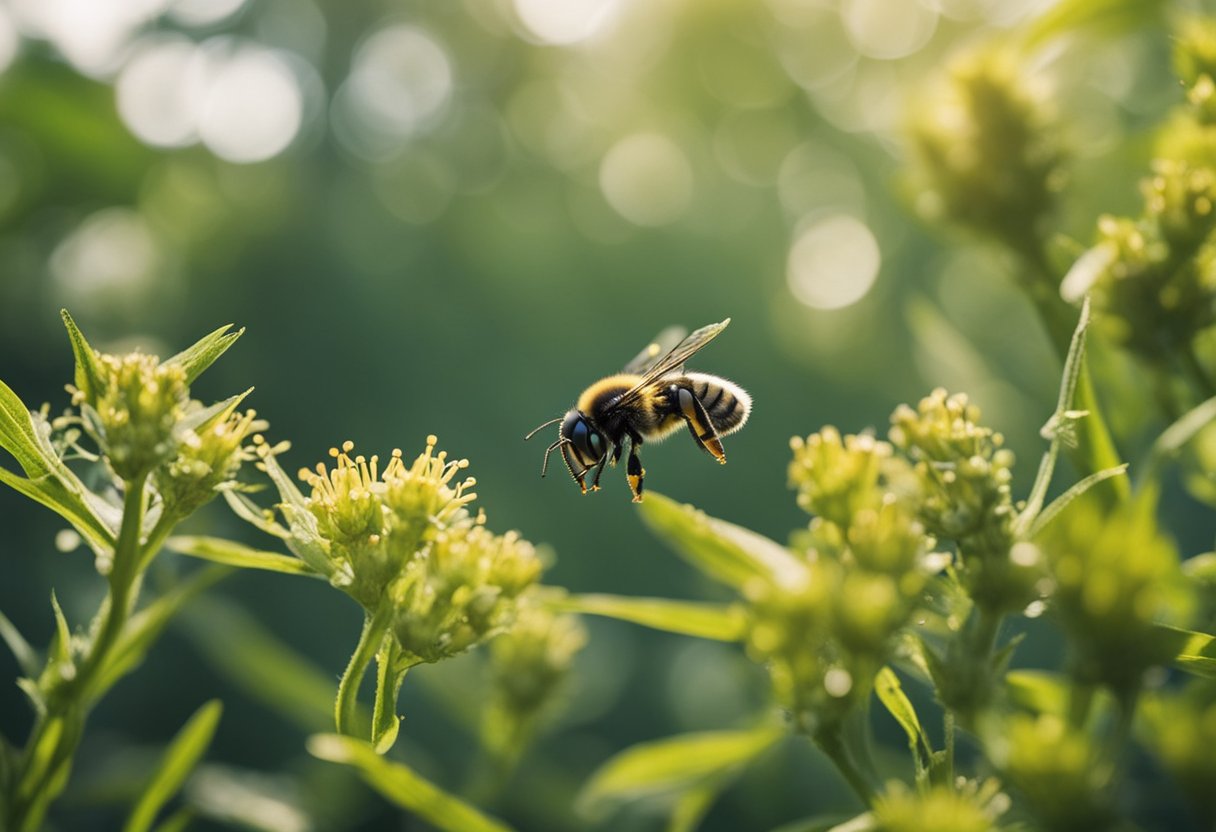
Herbicides work by interfering with the normal growth and development of plants. They can disrupt the plant’s ability to produce essential proteins and enzymes, leading to a buildup of toxic compounds that ultimately kill the plant. Herbicides can also inhibit the plant’s ability to carry out photosynthesis, which is essential for its survival. While herbicides can be effective in controlling weeds, they can also harm non-target plants and wildlife, including pollinators such as bees and butterflies.
The use of herbicides has been linked to a decline in pollinator populations, as these chemicals can impact their ability to find food and navigate their environment. Additionally, herbicides can contaminate soil and water, leading to negative impacts on aquatic life and other wildlife. As such, it is important to use herbicides responsibly and consider alternative methods of weed control that are less harmful to the environment.
Table of Contents
Understanding Herbicides
When it comes to managing weeds, herbicides can be a convenient and effective solution, utilized by many (like our neighbor starting a backyard nature battle). Herbicides are chemical compounds that are designed to damage or kill plants, and they can be used to provide selective control of weeds without injuring the crop or other desirable vegetation. Herbicides can be classified into two main types: selective and non-selective.
Types of Herbicides
Selective herbicides are designed to kill weeds without causing significant damage to desirable plants. For example, if you want to eliminate dandelions without damaging the grass, you can use a selective herbicide. Non-selective herbicides, on the other hand, will kill or injure all plants present if applied at an adequate rate. Glyphosate is a common non-selective herbicide that will kill most plants it comes into contact with.
How Herbicides Work
Herbicides work by targeting specific biological processes or enzymes in plants, interrupting normal plant growth and development. The mode of action is the way in which the herbicide controls susceptible plants. Some herbicides mimic plant hormones, while others interfere with photosynthesis or cell division.
It’s important to note that herbicides can also harm pollinators and other wildlife if not used properly. To minimize the risk of harm, it’s important to follow the instructions on the label carefully and avoid applying herbicides during times when pollinators are most active. Additionally, proper weed management techniques can help reduce the need for herbicides in the first place.
In summary, herbicides can be a useful tool for managing weeds, but it’s important to use them responsibly and carefully. By understanding the different types of herbicides and how they work, you can make informed decisions about how to manage weeds in your garden or on your property.
Impact on Plant Life
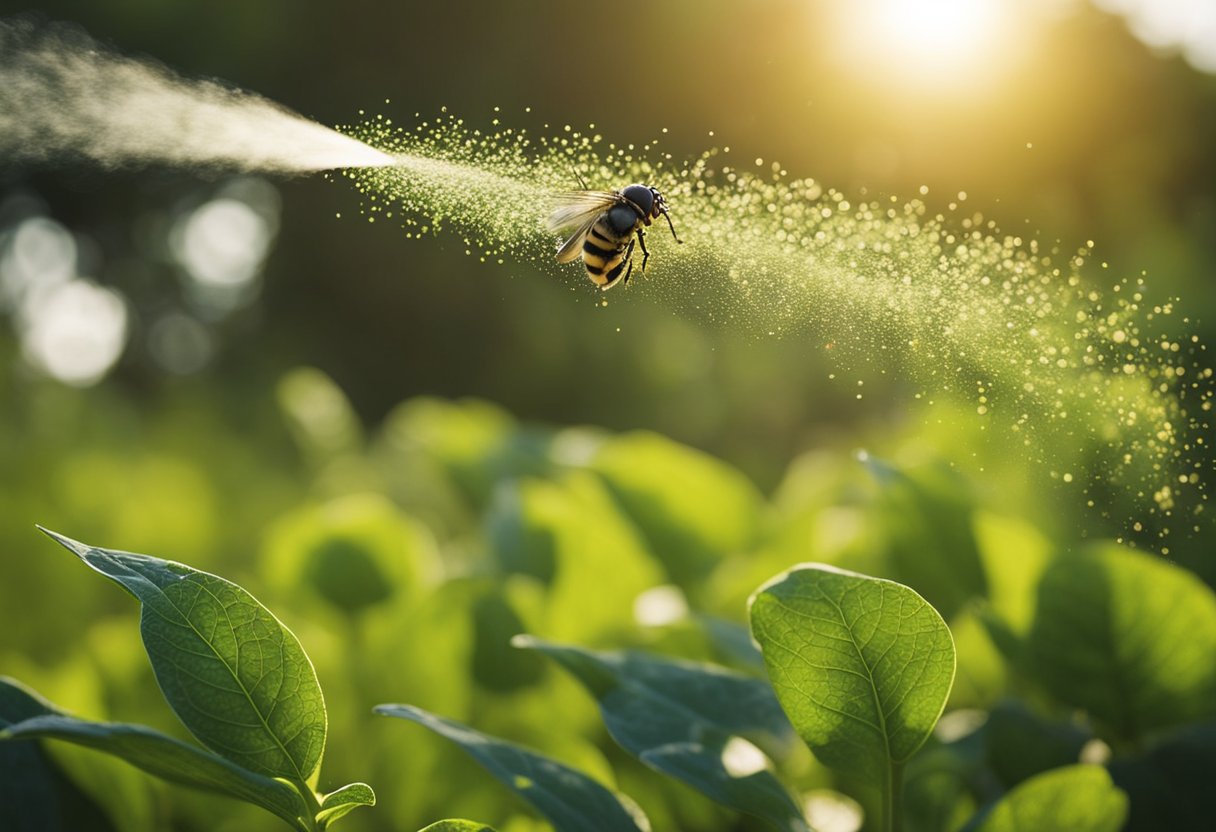
Herbicides are designed to kill plants by disrupting their normal physiological processes. However, they can also have unintended effects on non-target plants, including native plants and invasive species.
Effects on Non-Target Plants
Non-target plants can be impacted by herbicides in several ways. For example, herbicides can drift from their intended target and affect nearby plants. Additionally, herbicides can persist in the soil and affect plants that are planted in the same area in the future.
Herbicides can also affect non-target plants indirectly by reducing the availability of resources such as water and nutrients. This can lead to increased competition between plants and result in reduced growth and survival.
Herbicides and Plant Diseases
Herbicides can also have an impact on plant diseases. Some herbicides have been shown to increase the susceptibility of plants to certain diseases, while others can have a positive effect by reducing disease incidence.
Fungi are one group of plant pathogens that can be impacted by herbicides. Some herbicides have been shown to have fungicidal properties and can be used to control fungal diseases. However, other herbicides can have negative effects on beneficial fungi that play important roles in plant health.
Overall, the impact of herbicides on plant life can be complex and depends on several factors such as the type of herbicide used, the application rate, and the targeted plant species. It is important to carefully consider the potential impacts of herbicides on non-target plants and take steps to minimize their unintended effects.
Consequences for Pollinators
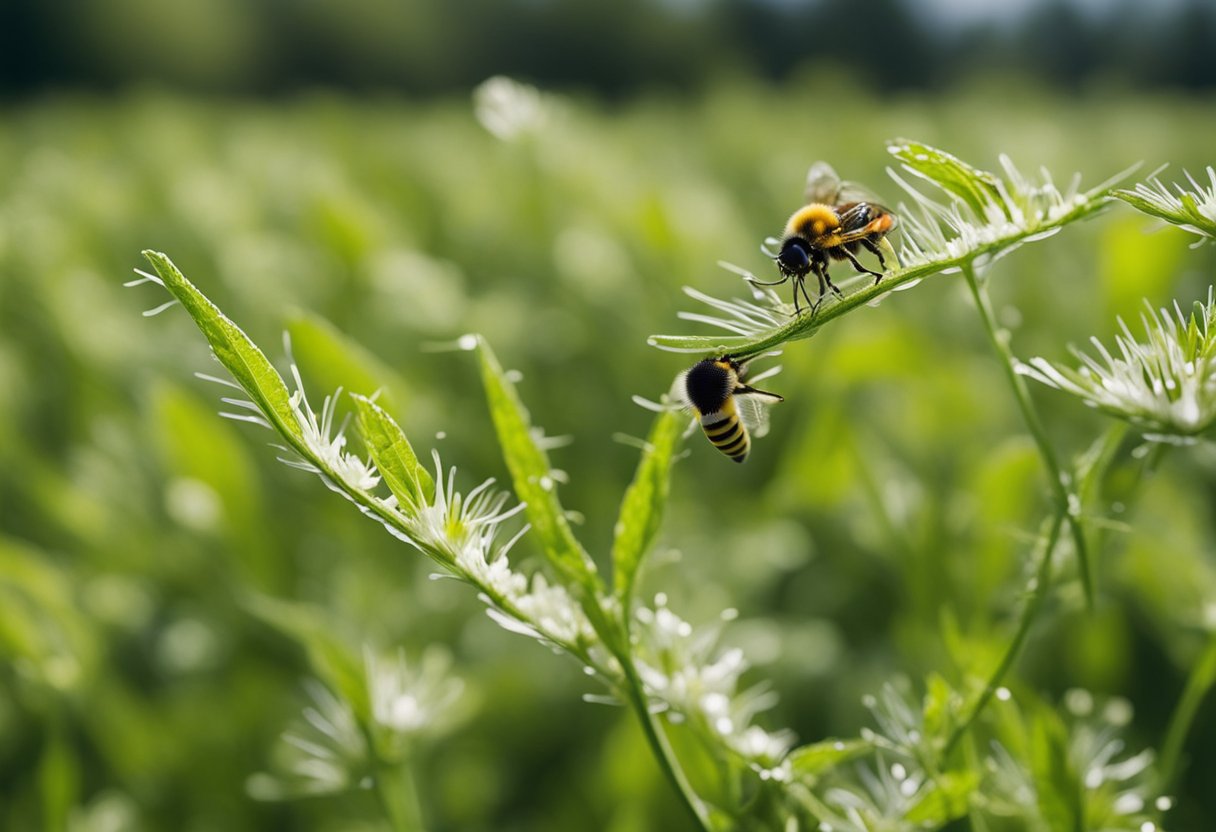
Herbicides are designed to kill plants, but they can also harm pollinators such as bees and butterflies. Here are some potential consequences for pollinators that you should be aware of:
Herbicides and Bee Health
Bees are essential pollinators that help to fertilize flowering plants, including many of the crops that we rely on for food. Unfortunately, herbicides can harm bees in a number of ways. For example, some herbicides can reduce the amount of nectar and pollen that is available to bees, which can make it harder for them to survive. Other herbicides can directly harm bees by killing them or impairing their ability to navigate and forage.
Pesticides and Butterfly Decline
Butterflies are also important pollinators, but they have been declining in numbers in recent years. One of the reasons for this decline is habitat loss, but pesticides also play a role. For example, insecticides can harm butterfly larvae and reduce the number of butterflies that are able to mature and reproduce. Fungicides can also harm butterflies by reducing the availability of the plants that they rely on for food and shelter.
Protecting Pollinator Habitats
To protect pollinators from the harmful effects of herbicides and other pesticides, it is important to take steps to protect their habitats. This can include planting flowering plants that provide nectar and pollen for bees and butterflies, avoiding the use of pesticides whenever possible, and managing weeds in a way that does not harm pollinators. By taking these steps, you can help to ensure that pollinators are able to thrive and continue to play their vital role in our ecosystem.
Risks to Wildlife and Ecosystems
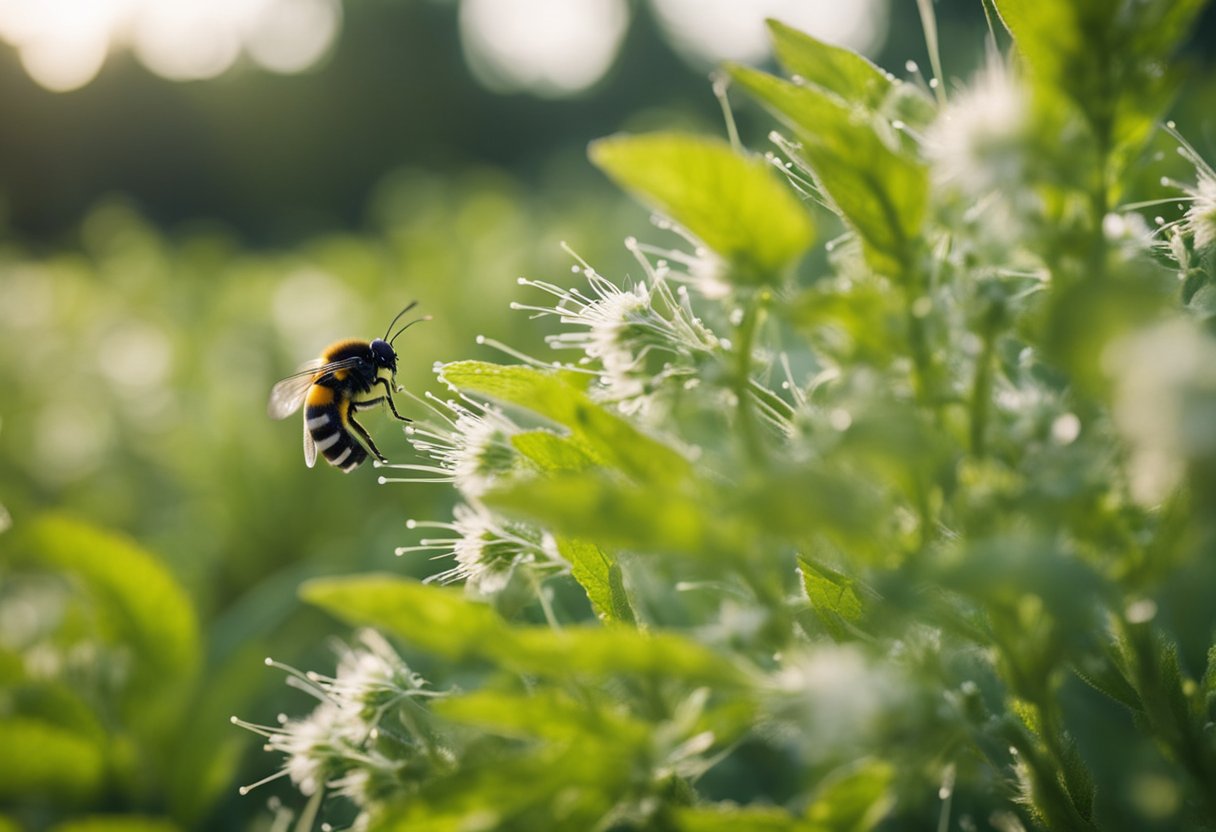
Herbicides can cause harm to wildlife and ecosystems when they are not used properly (and even potentially when they are used “according to the label.”). Here are some of the risks to be aware of:
Aquatic Life and Herbicide Runoff
When herbicides are used near bodies of water, they can run off into the water and harm aquatic life. This is especially true for herbicides that are water-soluble and can easily dissolve in water. The herbicides can kill fish, insects, and other aquatic organisms, which can have a ripple effect on the entire ecosystem.
If dead-set on using herbicides, to reduce the risk of harming aquatic life, it is important to follow safe practices when using herbicides near water. This includes avoiding spraying herbicides near the edges of bodies of water, and using herbicides that are less likely to dissolve in water.
Birds, Mammals, and Indirect Exposure
Herbicides can also harm birds and mammals when they are exposed to the chemicals indirectly. For example, when herbicides are sprayed on plants, the plants can absorb the chemicals. If birds or mammals eat the plants, they can be exposed to the herbicides. This can cause harm to the animals, and can even lead to death.
To reduce the risk of harming birds and mammals, it is important to follow best practices when using herbicides. Our approach is to just not use any. Nature will do its nature thing. Some best practices include avoiding spraying herbicides near habitats where birds and mammals live, and using herbicides that are less likely to be absorbed by plants.
Overall, it is important to use herbicides responsibly to avoid harming wildlife and ecosystems. By following best practices and using the right herbicides, you can help protect the environment while still effectively controlling weeds.
Sustainable Practices and Alternatives
Integrated Weed Management
Integrated weed management (IWM) is a sustainable approach to weed control that involves using a combination of cultural, mechanical, and chemical methods. This approach reduces the reliance on herbicides and promotes conservation of natural resources. By using IWM, you can reduce the use of herbicides, which helps to protect pollinators and other wildlife.
Cultural methods include practices such as crop rotation, intercropping, and cover cropping. These methods help to reduce weed pressure, increase soil health, and improve crop yields. Mechanical methods include hand weeding, hoeing, and mowing. These methods are effective for controlling weeds in small areas or for removing weeds that are resistant to herbicides. Chemical methods include the use of herbicides. However, in IWM, the use of herbicides is minimized and is only used when necessary.
Promoting Pollinator-Friendly Agriculture
Promoting pollinator-friendly agriculture, or even planting your own native garden, is an important step in protecting pollinators and other wildlife. By creating a pollinator-friendly garden, you can provide a habitat for pollinators and other beneficial insects. This can be achieved by planting a variety of native plants that provide nectar and pollen throughout the growing season. You can also provide nesting sites for pollinators by leaving bare ground or providing nesting boxes.
The Xerces Society is a non-profit organization that works to protect pollinators and other wildlife. They provide resources and information on how to create pollinator-friendly habitats and promote sustainable agriculture. By following their guidelines, you can help to protect pollinators and other wildlife while promoting sustainable agriculture.
In conclusion, by using integrated weed management and promoting pollinator-friendly agriculture, you can reduce the use of herbicides and protect pollinators and other wildlife. These practices promote sustainable agriculture and conservation of natural resources.
